
ICSI Treatment in Kanpur
Struggling to conceive can be an emotionally difficult journey, especially when previous fertility treatments have not worked. For couples dealing with male infertility, poor sperm quality, or repeated IVF failure, ICSI treatment in Kanpur offers a focused, science backed solution. Dr. Astha Singh, founder of Astha IVF & Fertility Centre, Kanpur, has guided hundreds of couples through this process with over 14 years of experience in reproductive medicine. Every treatment plan is built around the specific cause of infertility, not a one size fits all protocol. If you and your partner are exploring ICSI as the next step, book a consultation with Dr. Astha Singh to understand whether it is the right option for you.
What is ICSI ?
Intracytoplasmic Sperm Injection, commonly known as ICSI, is an advanced form of IVF where a single healthy sperm is injected directly into a mature egg to help it fertilise. It is most often recommended when sperm related factors are the main barrier to conception, such as low sperm count, poor motility, or abnormal sperm shape. Unlike conventional IVF, where sperm and egg are left together in a dish to fertilise naturally, ICSI removes the guesswork by placing the sperm inside the egg under laboratory conditions.
At Astha IVF & Fertility Centre in Kanpur, ICSI is performed in a controlled embryology lab, supervised directly by Dr. Astha Singh and her clinical team. This close, hands on involvement is one of the reasons couples from across Kanpur and nearby districts choose the centre for their fertility care.
Why early treatment matters: Fertility naturally declines with age, and male infertility factors do not always improve on their own over time. Couples who delay evaluation often lose valuable months, or in some cases years, that could otherwise be used for timely, effective treatment. If you have been trying to conceive for over a year without success, or six months if the woman is above 35, it is worth getting evaluated sooner rather than later.

Who Needs ICSI Treatment?
Not every couple facing infertility requires ICSI. It is generally recommended in specific situations where sperm quality or a previous fertilisation issue makes natural fertilisation, or even standard IVF, less likely to succeed.
Early Indicators
- Difficulty conceiving after 12 months of regular, unprotected intercourse
- A semen analysis showing low sperm count or reduced motility
- Mild abnormalities in sperm shape identified during testing
Advanced Indicators
- Very low sperm count or complete absence of sperm in the ejaculate, known as azoospermia
- Previous IVF cycles with failed or poor fertilisation
- Use of surgically retrieved sperm, such as after a TESA or PESA procedure
- Frozen sperm samples with limited sperm numbers available
When to Seek Medical Help
If you have been trying to conceive without success for a year, or six months if the female partner is over 35, or if a semen analysis has already shown abnormal results, it is advisable to consult a fertility specialist promptly rather than waiting for further natural attempts.
Causes and Risk Factors
Medical Causes
- Low sperm count or oligospermia
- Poor sperm motility or asthenozoospermia
- Abnormal sperm morphology or teratozoospermia
- Blockages in the reproductive tract preventing sperm release
- Prior vasectomy or failed reversal
Lifestyle Factors
- Smoking and excessive alcohol consumption
- Chronic stress and poor sleep patterns
- Obesity and sedentary lifestyle
- Prolonged exposure to heat, such as frequent sauna or steam use
Higher-Risk Groups
- Couples with a history of failed IVF or poor fertilisation
- Men with a history of undescended testes or testicular injury
- Couples using frozen or surgically retrieved sperm
- Women above 35 combined with a male infertility factor
Diagnosis and Evaluation Process
Evaluation Process
- Diagnosis begins with a detailed consultation covering medical history, previous treatments, and lifestyle factors for both partners. A semen analysis is usually the first step for the male partner, examining sperm count, motility, and morphology in detail.
Imaging and Tests
- Semen analysis to assess sperm health
- Hormonal blood tests for both partners
- Transvaginal ultrasound to assess ovarian reserve and uterine health
- Hysterosalpingography or HSG, if tubal factors are suspected
- Genetic testing, in select cases with recurrent failure
When Immediate Evaluation Is Needed
Couples where the male partner has a known history of very low sperm count, previous failed IVF cycles, or surgically retrieved sperm should not delay evaluation, as treatment planning in these cases often takes more time and preparation.
ICSI Treatment Process
Ovarian Stimulation
The female partner is given hormonal medication over roughly 10 to 12 days to stimulate the ovaries to produce multiple mature eggs, with progress monitored through regular ultrasound scans and blood tests.
Egg and Sperm Collection
Once the eggs are mature, they are retrieved through a minor procedure performed under sedation. On the same day, a sperm sample is collected, or in cases of male infertility, retrieved surgically.
Sperm Injection and Fertilisation
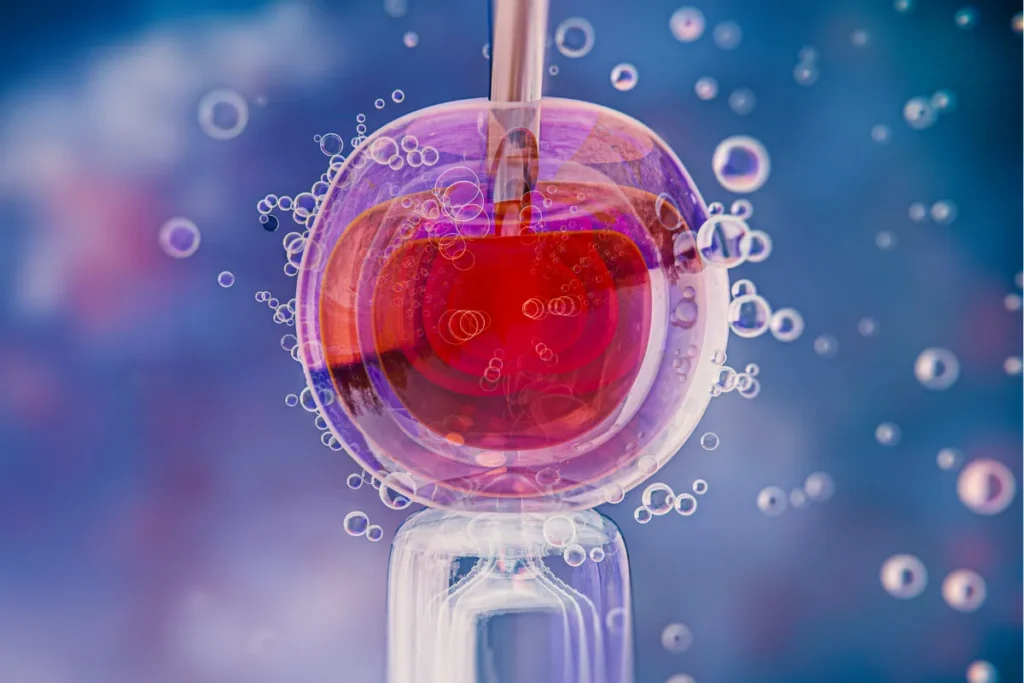
Under the embryologist’s microscope, a single healthy sperm is selected and injected directly into each mature egg. The eggs are then monitored over the following days to check for successful fertilisation and embryo development.
Embryo Transfer
A healthy embryo, typically at day 3 or day 5 of development, is transferred into the uterus. Any additional good quality embryos can be frozen for future use, if the couple wishes.
ICSI Treatment Cost in Kanpur
The cost of ICSI treatment in Kanpur depends on several individual factors, including the number of stimulation cycles required, medication dosage, whether surgical sperm retrieval is needed, and whether additional procedures like embryo freezing or genetic testing are involved. Because of this, costs can vary meaningfully from one couple to another.
At Astha IVF & Fertility Centre, every couple receives a transparent cost breakdown during their consultation, with no hidden charges added later in the process. Rather than quoting a generic number that may not apply to your case, Dr. Astha Singh’s team reviews your specific medical history first, then provides an accurate estimate based on your treatment plan.
Recovery After ICSI
Recovery Timeline
- Most women resume normal daily activities within a day or two after egg retrieval, with mild bloating or cramping being common and usually resolving within a few days. After embryo transfer, a short period of rest is advised, though prolonged bed rest is not medically necessary.
Lifestyle Changes
- Avoiding strenuous exercise for a short period after retrieval and transfer
- Maintaining a balanced diet and adequate hydration
- Avoiding smoking and alcohol during the treatment cycle
- Following medication schedules precisely as prescribed
Improving Future Outcomes
- If a cycle is not successful, Dr. Astha Singh reviews the response to stimulation, embryo quality, and any underlying factors before recommending next steps, which may include adjusting the protocol, additional testing, or using frozen embryos from the same cycle.
Why Choose Dr. Astha Singh

Qualifications
- MBBS
- DGO
- DNB (Obs & Gynae)
- MNAMS
- FNB (Reproductive Medicine – MAMC, LNH, New Delhi)
14+ years
Fertility expertise
2,000+
Successful IVF cases
5,000+
Happy couples
3,000+
Babies delivered
Fellowship trained at Maulana Azad Medical College and Lok Nayak Hospital, New Delhi
Clear communication-every test result and treatment option explained in detail
Expert in IVF, ICSI, and IUI for complex infertility cases
Evidence based, personalized treatment, not a generic protocol
Accurate diagnosis with ethical, patient first care
Trusted by patients from Kanpur, Unnao, Fatehpur, and surrounding regions
Your Treatment Journey
Step 1: Consultation
A detailed discussion of your medical history, previous treatments, and concerns with Dr. Astha Singh.
Step 2: Diagnosis
Relevant tests for both partners to identify the exact cause of infertility.
Step 3: Treatment
A personalised ICSI protocol, from ovarian stimulation through embryo transfer.
Step 4: Recovery & Follow-Up
Post-procedure care, pregnancy testing, and ongoing support through early pregnancy.
Areas We Serve
Patients visit Dr. Astha Singh, Kakadeo, from across Kanpur and beyond, including:
Kakadeo, Swaroop Nagar, Kidwai Nagar, Barra, Kalyanpur, Govind Nagar, Panki, Shyam Nagar, and nearby districts including Unnao and Fatehpur.
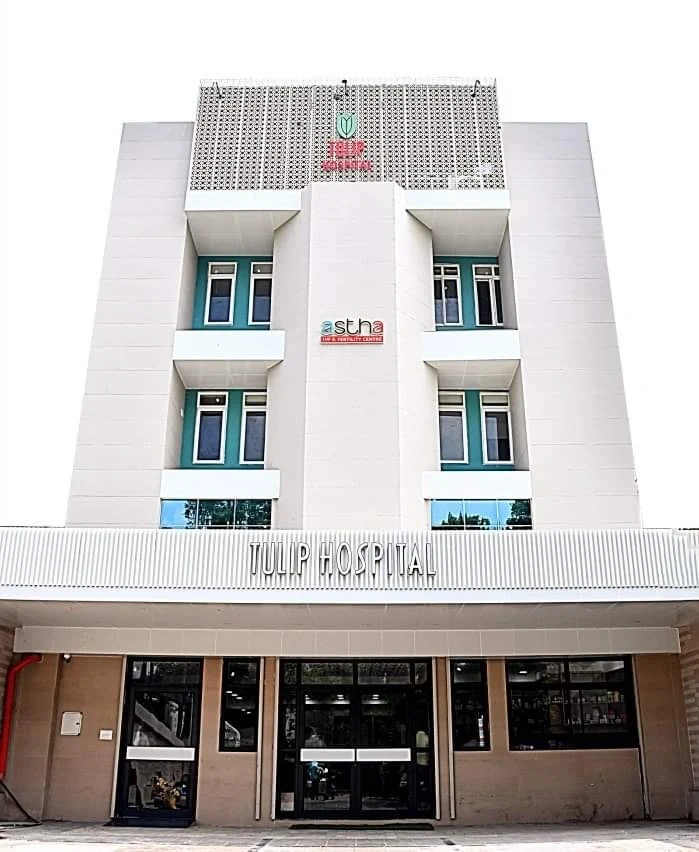
If you are travelling from outside these areas, the clinic’s central Kakadeo location, near the Police Station and Paliwal Diagnostics, is easily accessible from most parts of the city.
Visit Our Clinic
Astha IVF & Fertility Centre
117/439, H Block, Pandu Nagar, near Police Station and Paliwal Diagnostics, Kakadeo, Kanpur, Uttar Pradesh 208005, India
Phone: 92364 44709
Hours: Open 24 hours, all 7 days (fertility consultations by appointment)
Google Maps: View Location
Frequently Asked Questions
Q1. What is the difference between ICSI and IVF?
In conventional IVF, sperm and eggs are placed together in a dish and fertilisation happens naturally. In ICSI, a single sperm is injected directly into the egg, which is particularly useful when sperm count or quality is low.
Q2. Is ICSI painful?
Egg retrieval is performed under sedation, so discomfort during the procedure is minimal. Mild cramping or bloating afterward is common and usually resolves within a few days.
Q3. What is the success rate of ICSI treatment?
Success rates vary based on factors such as age, egg and sperm quality, and underlying fertility issues. Dr. Astha Singh discusses realistic expectations specific to your case during your consultation, rather than quoting a generic figure.
Q4. How much does ICSI treatment cost in Kanpur?
Cost depends on individual factors such as medication requirements, whether surgical sperm retrieval is needed, and additional procedures like embryo freezing. A personalised estimate is provided after your initial evaluation
Q5. How many ICSI cycles might be needed?
Some couples conceive in their first cycle, while others may need more than one attempt. Your treatment plan and any adjustments needed are reviewed with you after each cycle.
Q6. Is ICSI safe?
ICSI is a well-established, widely used fertility procedure performed under strict lab protocols. As with any fertility treatment, Dr. Astha Singh discusses potential risks and how they apply to your specific situation before proceeding.
Q7. How do I book an appointment for ICSI treatment in Kanpur?
You can call 92364 44709 or message us directly on WhatsApp to schedule a consultation with Dr. Astha Singh at Astha IVF & Fertility Centre.
Q8. Do you offer same-day consultations?
As the clinic operates 24 hours a day, please call or WhatsApp us directly to check same-day appointment availability.
Book an Appointment
Taking the first step toward fertility treatment can feel overwhelming, but you do not have to navigate it alone. Dr. Astha Singh and the team at Astha IVF & Fertility Centre are available to guide you through diagnosis, treatment, and every question along the way.
Call now: 92364 44709 WhatsApp us: Chat Now Visit us: Astha IVF & Fertility Centre, 117/439, H-Block, Pandu Nagar, Kakadeo, Kanpur, Uttar Pradesh 208005